
 Posts
Posts


This is the time of year for the customary gathering of family and friends to celebrate the holidays. Meals are set out with plenty of special food and drink and maybe just one more wee dram of something to drink.
When everyone is sufficiently sated, there's often a need for a digestive to settle the stomach, or a nightcap to round out the evening. An ounce or two of a dessert wine or fortified wine is all that's needed for a nightcap. With all the good things to eat, it's easy to overdue it and reach for a digestif.
DIGESTIFS
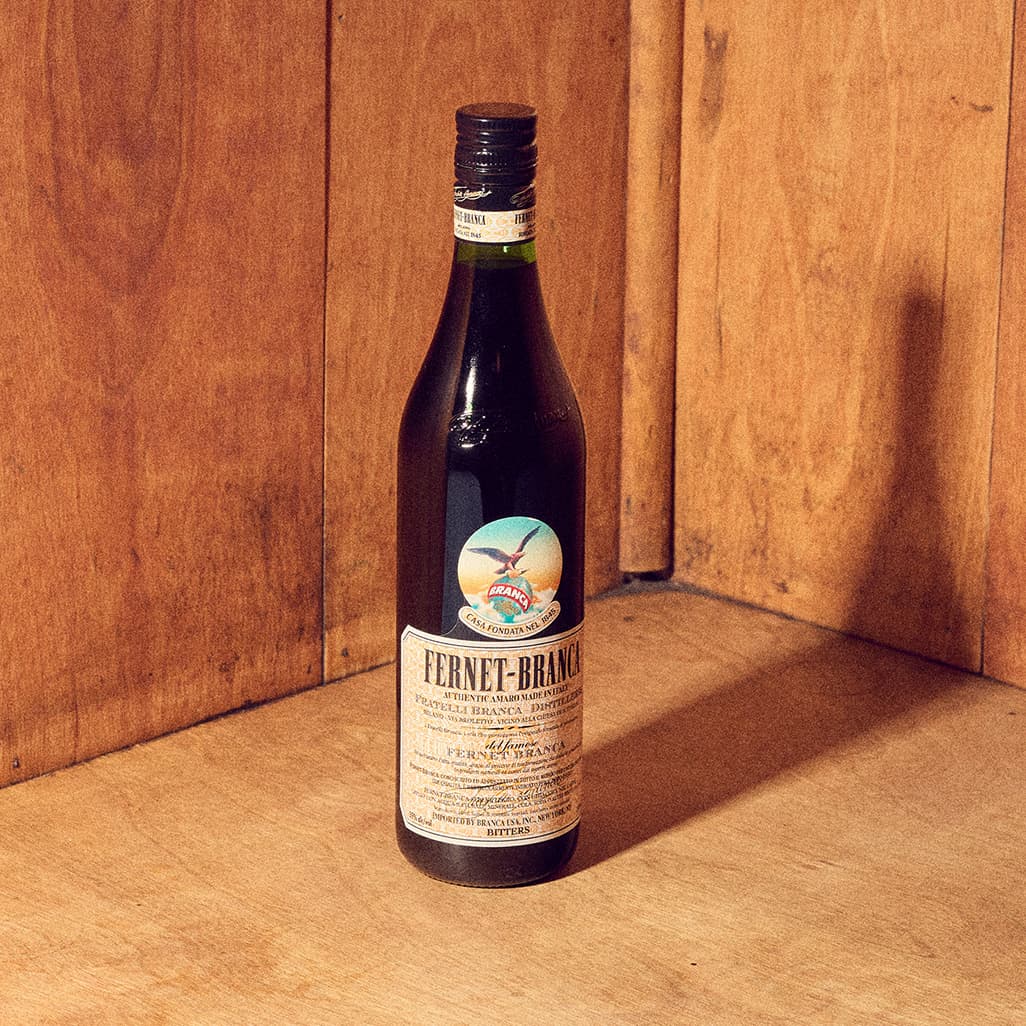
Digestifs are alcoholic beverages formulated to aid in digestion, such as Campari. Aperitifs, on the other hand, are alcoholic beverages meant to stimulate appetite, such as a Fino Sherry.
Popular digestifs include amaros, or herbal drinks with a slightly bitter taste. A common brand is Fernet-Branca, an Italian amaro (Italian for "bitter") that is popular with Italians, but not so much with Americans. Amaros are proprietary blends of botanicals such as herbs, roots, flowers and citrus peels.
America doesn't have a tradition for digestifs, relying instead on France and Italy, where the history of these special beverages goes back hundreds of years. The list is extensive, but here are the best known.
Top of the list is Campari, an Italian digestif, considered a bitters, but not an amaro by the Italians. Campari is flavored with chinotto, a cola-like Italian soft drink, made from a species of orange, and cascarilla, a flavoring agent made from the croton tropical evergreen plant.
Campari is an ingredient in the Negroni cocktail, made from gin, red Vermouth and Campari. Amaro Montenegro is an alternate choice in a Negroni. Averna, a Sicilian amaro with a different formulation, is based on orange peel, with caramel, licorice and cola notes.
Fernet-Branca an amaro with a bitter medicinal taste, derived from bitter aloe, quinine and other herbs and fruits. Fernet is higher in alcohol than most amari.
In the either you like it or not category is Cynar, an Italian bitters taken as both an aperitif and a digestif. Based on artichoke, the recipe for Cynar also includes 13 other herbs, plants and spices.
From Germany, there's a pair of herbal digestifs: Jagermeister, a popular blend of 56 different roots, fruits and spices, is aged in oak for one year, then blended with sugar and caramel for a sweet and bitter digestif; Underberg is similar but sources the ingredients from 43 countries, adds sugar and caramel then matures the blended digestif in oak and puts it in small single-portion bottles.
APERTIFS
:max_bytes(150000):strip_icc()/Yellow-Chartreuse-v-Green-Chartreuse-FT-BLOG0524-8be78ed385dd454587d16ee931dc7ea2.jpg)
Many of the beverages in the aperitif category are also considered digestifs, since the ingredients are similar and all of them are made from secret recipes that have remained in the same family or institution for generations.
Aperol is an Italian aperitif served over ice or as an ingredient in a mixed drink, such as the Aperol Spritz Cocktail, a blend of Aperol, Prosecco and soda. The ingredients in Aperol include rhubarb, gentian, bitter orange and cinchona, a source of quinine from the bark of an evergreen tree.
A popular aperitif drink in New Orleans is the Sazerac Cocktail, a blend of rye whiskey and Peychaud's Bitters, a kind of amaro made in New Orleans.
Among the best known aperitifs are the so-called monastery liqueurs. Chartreuse is the most complex and distinctive, and my favorite. Formulated since the 1700s by Carthusian monks in the mountains north of Grenoble, France, the secret recipe for Chartreuse is known by only two monks and includes cinnamon, mace, lemon, peppermint and thyme, among 130 botanicals. Green Chartreuse is known as the "elixir of long life," while the sweeter yellow Chartreuse has been compared to the Italian liqueur Galliano.
Benedictine is the other noted French monastery liqueur, enjoyed both as an appetite stimulant and an aid to digestion. Originated in 1510, from a secret recipe by Benedictine monks, in a monastery in Normandy, the recipe was lost during the French revolution, then discovered again in 1863. The recipe for Benedictine differs from Chartreuse, with 27 herbs and spices, including honey, vanilla and cinchona.
This holiday, tune up your appetite with an aperitif, then end the meal with a relaxing digestif. I'll be back the day after Christmas with some sparkling suggestions, other than Champagne. Happy holidays.
Next post: Make It a Sparkling New Year
Leave a comment at boydvino707@gmail.com

No comments:
Post a Comment
Note: Only a member of this blog may post a comment.